Evan Beattie
Chairman & CEO · GFF
Evan Beattie on architecture, ownership, feedback, risk, local knowledge, and growing from project work into firm leadership.
Watch the full conversation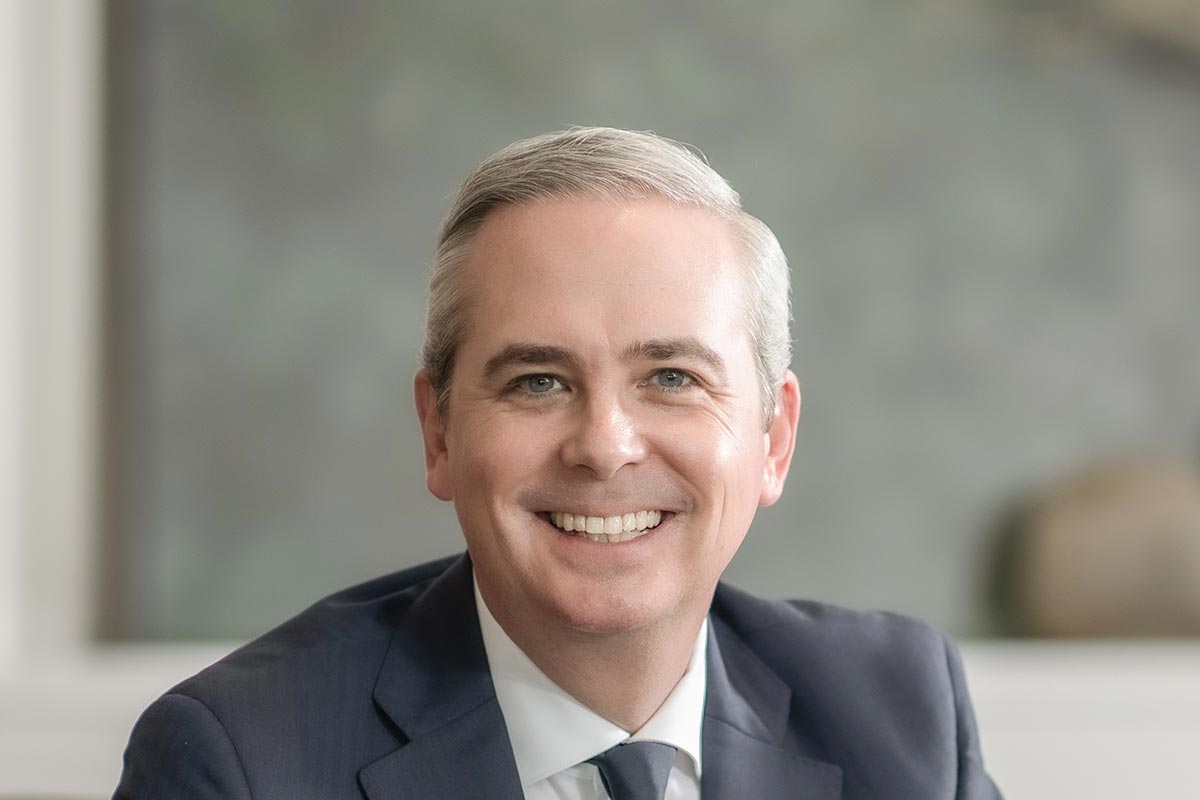 Career Cartography · Profile 08
Watch the full interview.
Evan Beattie chose architecture in eighth grade and followed that interest through the University of Texas, an intense New York internship, and a deliberate return to Dallas. At GFF, he advanced from project coordinator to principal, spent a decade investing in ownership, and eventually became chairman and CEO. The career stayed within one profession but expanded continuously—from designing projects to navigating zoning, developing clients, managing risk, and building a firm. His advice is equally practical: explore deliberately, seek feedback, protect sleep, invest in relationships, and address problems before they become crises.
The moments that
shaped the path.
A profession chosen early
An eighth-grade life-planning exercise introduced Beattie to architecture, a field that joined creativity, problem-solving, and a viable living. An eight-month internship at KPF in New York proved he could handle demanding work while clarifying that Dallas better matched his goals for family, ownership, and long-term opportunity.
Growing inside one firm
Beattie joined GFF in 2005 as a project coordinator and progressed through increasingly responsible roles. Along the way, mentors exposed him to developers and the commercial decisions behind buildings. Becoming a principal meant buying shares over many years and helping transfer the firm from its founders to the next generation.
Excellence with accountability
Architecture makes risk tangible: buildings must protect public health and safety for decades. Beattie relies on layered reviews, contractor coordination, and direct feedback to improve work before problems spread. As CEO, he balances projects, management, and business development while learning to delegate work he enjoys so he can focus on the firm's future.
How the path unfolded.
The route becomes clearer in retrospect. These are the decisions, detours, and discoveries that moved the story forward.
- Eighth gradeWaypoint
Chooses architecture
A life-science assignment helped him connect creativity, responsibility, and a future profession.
- CollegeWaypoint
Studies architecture at UT Austin
A long professional program built design skill and introduced the business and liability behind the work.
- InternshipWaypoint
Works at KPF in New York
Large international projects and 60- to 80-hour weeks accelerated learning and clarified his preferred city and lifestyle.
- 2003Waypoint
Begins practicing in Dallas
He returned to a growing city where he could build a career, family, and visible body of work.
- 2005Waypoint
Joins GFF
He entered as a project coordinator and gained direct exposure to developers, zoning, and project leadership.
- OwnershipWaypoint
Becomes a principal
A decade of share purchases made him part of the firm's generational leadership transition.
- TodayWaypoint
Chairman and CEO
He leads GFF while remaining involved in projects, business development, urban issues, and the firm's growth strategy.
Five ideas worth keeping.
- 01
Explore careers deliberately by studying what the work, schedule, tradeoffs, and life actually look like.
- 02
A passion for excellence includes receiving direct feedback without becoming defensive.
- 03
Run toward problems early, bring in the team, and offer solutions before the issue grows.
- 04
Relationships inside and outside the organization expand both impact and opportunity.
- 05
Deep interest in your city, industry, or craft can turn everyday curiosity into durable professional judgment.